Struggling to find a consistent and trustworthy crystal carvings wholesale supplier can feel like searching for a flawless gem in a vast mine. You worry about receiving inconsistent quality, dealing with communication barriers, and seeing your profits shrink due to hidden costs and defects. The fear of a bad partnership costing you time, money, and customer trust is very real. But what if you had a proven checklist to vet suppliers and build a reliable supply chain from the start?
To choose a reliable crystal carvings wholesale supplier in China, you must verify their production capabilities beyond showroom samples, demand third-party material testing reports, assess their defect rate and payment terms, confirm their factory is in a major production hub like Donghai, and clarify in writing that samples represent bulk quality.
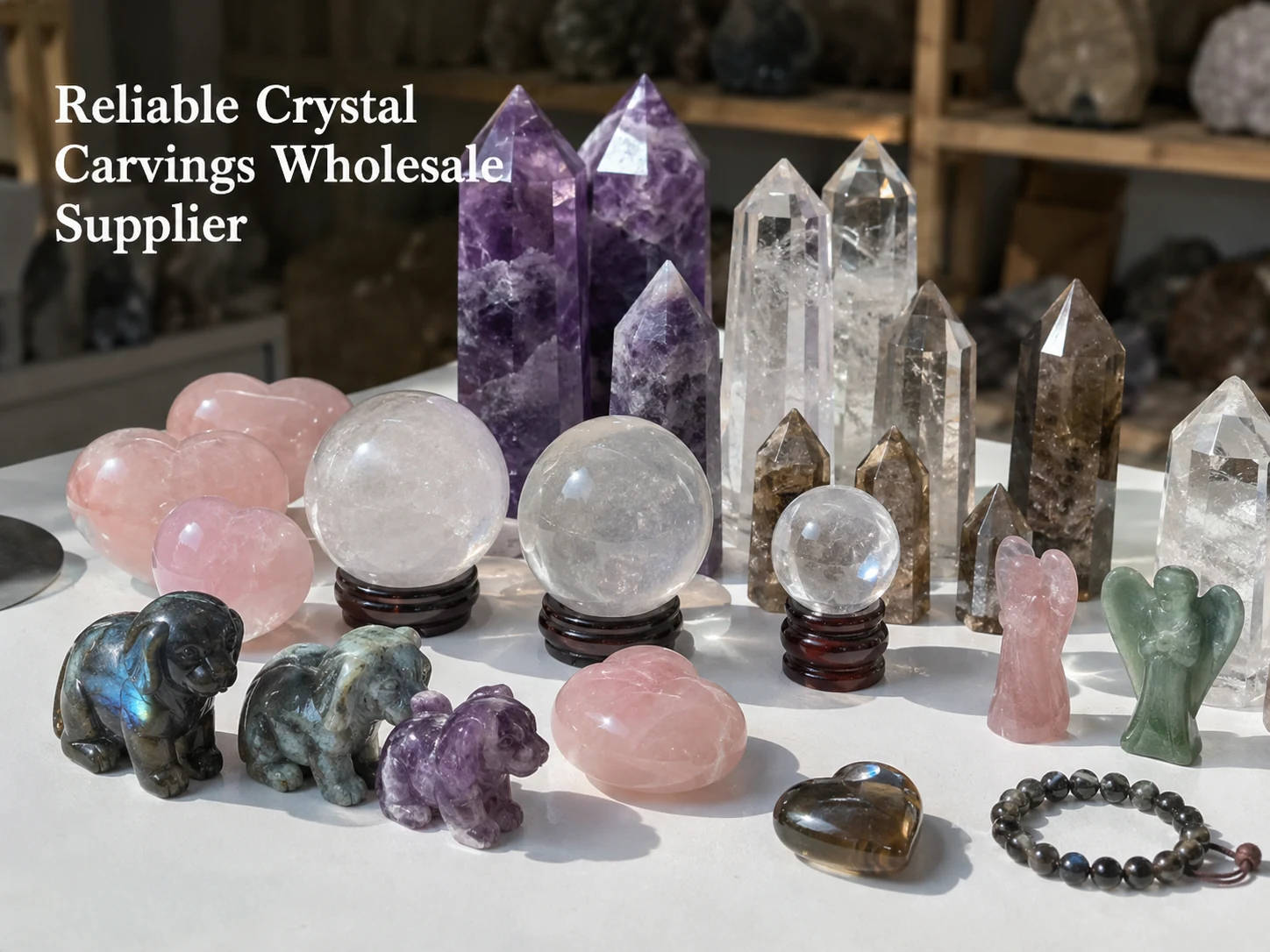
Choosing the right partner is the single most important decision for your crystal business. It’s about more than just a good price; it’s about quality, consistency, and a shared understanding of your market's needs. Let's break down the essential steps I've learned—often the hard way—to identify a truly reliable supplier.
Should You Judge a Supplier by Their Showroom Samples?
You’re at a trade show or browsing a supplier's website, and the samples look perfect. The colors are vibrant, the polish is immaculate, and every piece seems flawless. The problem is that these "hero" samples often don't represent the reality of a bulk order.
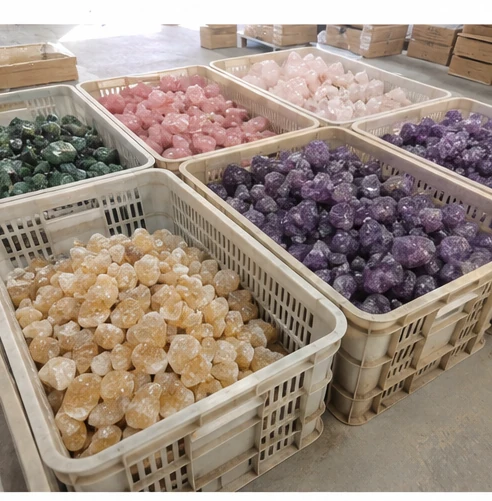
The critical question to ask is whether the supplier manufactures in-house or simply acts as a trading company. A true manufacturer with their own cutting and polishing workshops has direct control over batch consistency, while a trading company might consolidate orders from multiple smaller workshops, leading to significant variations.
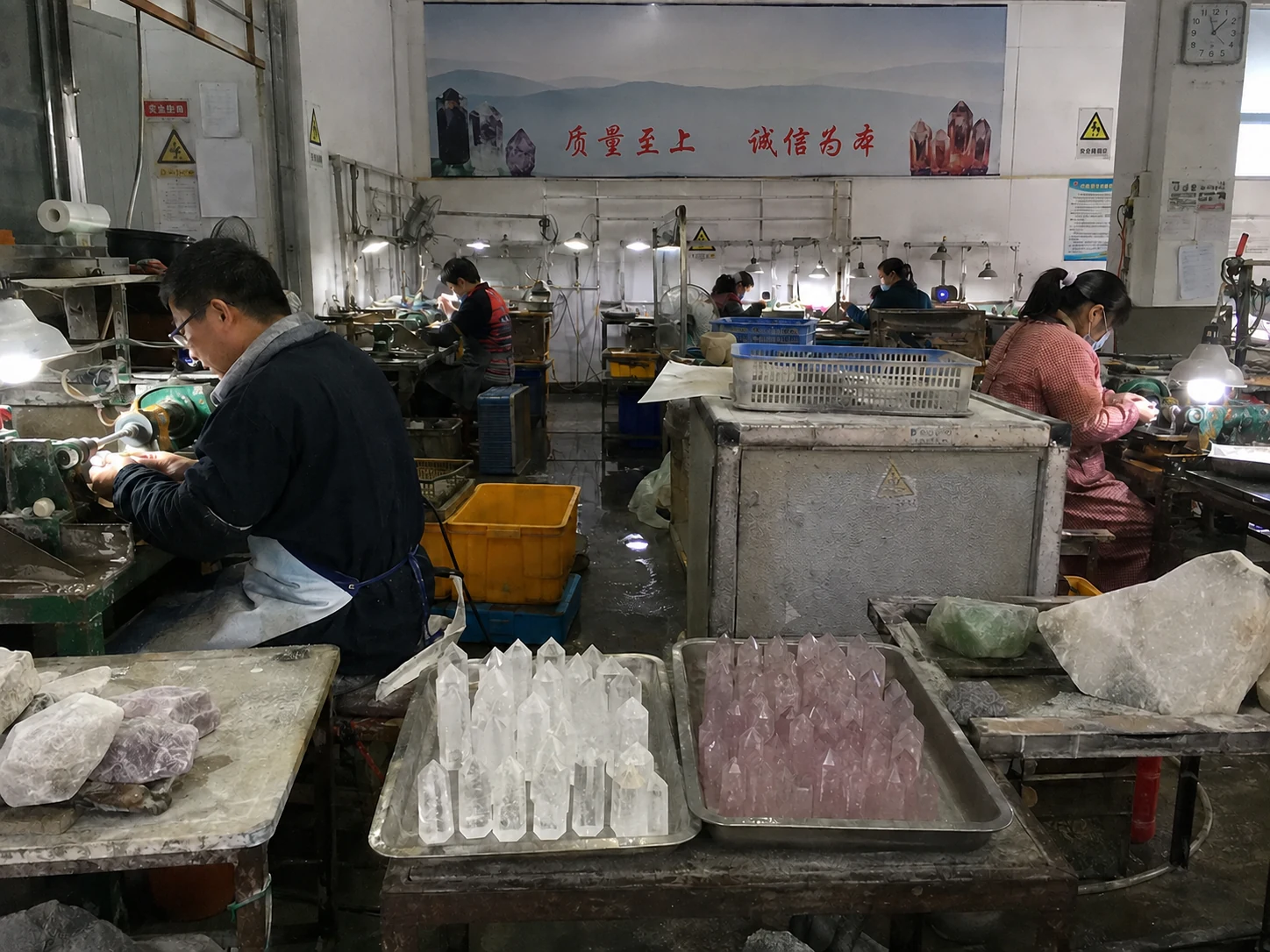
Dive Deeper: The Factory vs. The Middleman
Early in my career, I made a mistake that taught me a valuable lesson. I placed an order with a supplier based on their stunning trade show display. The samples of amethyst points were uniform in color and clarity. However, when the bulk shipment arrived, it was a mess. The same SKU contained products from what was clearly three different sources—the color saturation, polish, and even the faceting angles were all over the place. My customers noticed immediately, and my brand's reputation took a hit.
That supplier was a trading company, not a factory. They sourced from various small workshops to fill my order, and quality control was nonexistent. This experience solidified my number one rule: verify the production line, not just the showroom.
Here's how to tell the difference and why it matters:
- In-House Production: A supplier with their own workshops for cutting, carving, and polishing can maintain consistent standards across large orders. They control the raw material selection, the machinery calibration, and the final quality checks. This is the only way to ensure the rose quartz hearts1 you order in June have the same color and finish as the ones you ordered in January.
- Trading Companies: These suppliers excel at sourcing a wide variety of products, but they often lack direct control over production. They are middlemen who buy from multiple factories or workshops. While convenient for sourcing diverse items, this model introduces a high risk of inconsistency in quality, color, and finish, as you are essentially receiving goods from several different production lines under one invoice.
How to verify:
- Ask for factory videos: Don't just ask for photos. Request a short, unedited video tour of their cutting, carving, and polishing facilities. Ask them to hold up a piece of paper with your company name and the current date in the video.
- Inquire about their process: Ask specific questions like, "What is your process for ensuring color consistency in a 500-piece order of fluorite towers?" A real manufacturer will describe their raw material block selection and sorting process. A trading company will likely give a vague answer.
- Check their business license: A Chinese business license will state the company's "business scope." Look for terms like "manufacturing" (生产) or "processing" (加工). If it only says "sales" (销售) or "trading" (贸易), they are likely a middleman.
A long-term, reliable partnership depends on batch-to-batch stability. Only a crystal carvings wholesale supplier with direct control over their production line can deliver that.
How Do You Verify Natural vs. Treated Crystals from a Wholesale Supplier?
One of the biggest risks in the crystal industry is unknowingly purchasing dyed, heated, or synthetic materials. For many stones, especially amethyst, citrine (often heat-treated amethyst2), and colorful agates, it's nearly impossible for an untrained eye to distinguish a natural stone from a treated one.
The solution isn't to become a gemologist overnight. It's to enforce a strict policy of third-party verification. A reputable supplier should be willing and able to provide independent lab reports confirming the material's authenticity for each batch.
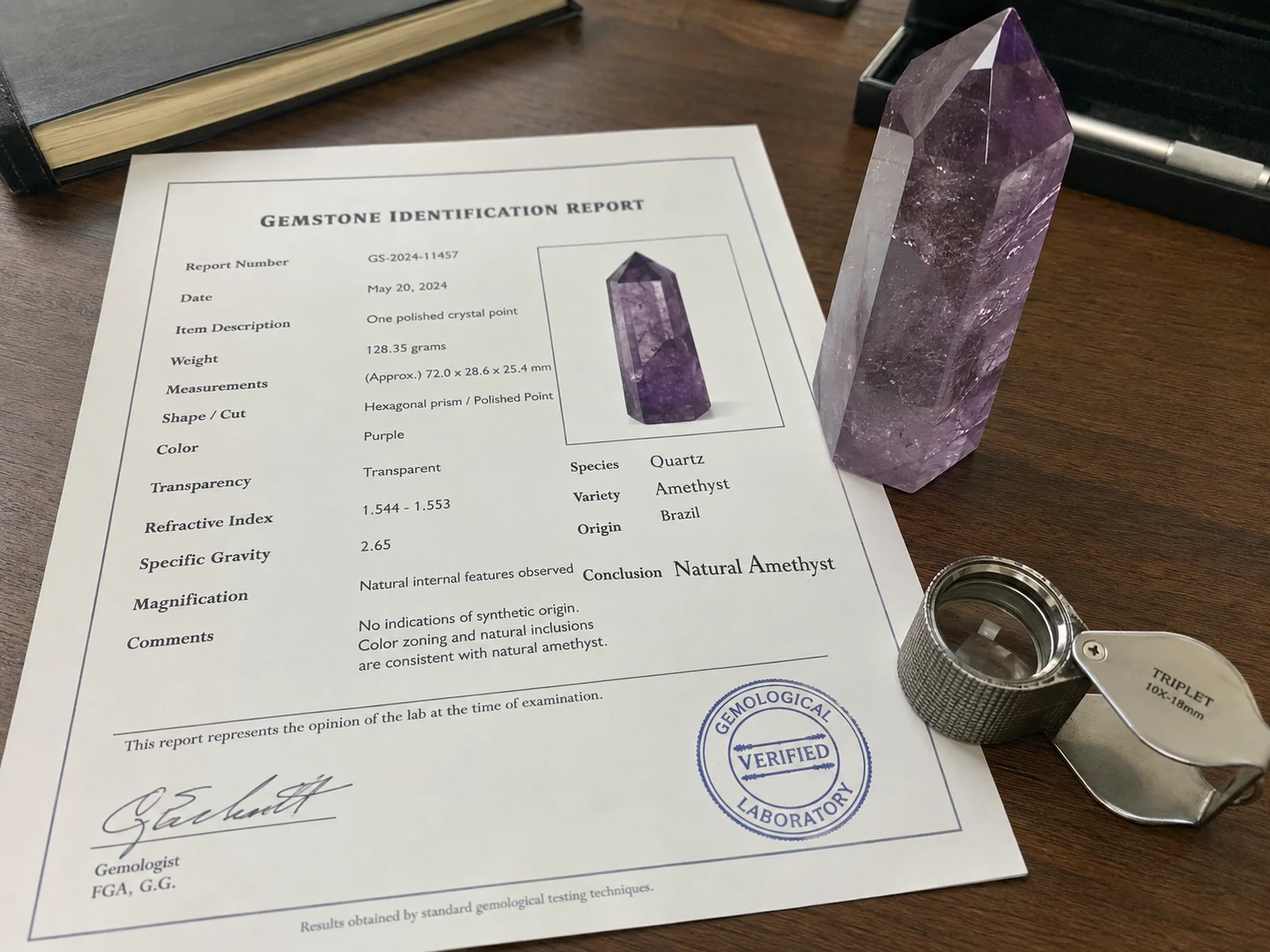
Dive Deeper: Don't Trust, Verify with Documentation
Trust is good, but documentation is better. Your customers are buying from you based on the belief that your products are genuine. Selling a dyed stone as natural, even unintentionally, can destroy that trust forever.
I now have a non-negotiable requirement for all new suppliers: they must provide a third-party testing report for each significant order. Any supplier who is hesitant or refuses this request is immediately disqualified. This single rule has filtered out roughly a third of the potential suppliers from my contact list over the years, saving me from countless potential problems.
Here’s a practical breakdown of how to approach material verification:
- Specify Your Requirement Upfront: During your initial discussions, clearly state that your purchase is contingent upon receiving a satisfactory third-party gemological report.
- Know What to Look For: Common treatments include:
- Dyeing: Often used on agate, jasper, and quartz to enhance or create vibrant colors. Look for color concentration in cracks.
- Heat Treatment: Commonly used to turn pale amethyst into the more valuable "citrine" or to deepen the color of other stones.
- Irradiation: Used to change the color of stones like topaz.
- Reconstitution: Crushed pieces of natural stone mixed with resin and compressed into a block (e.g., turquoise, malachite).
- Recognize Reputable Labs: Ask which testing agency they use. Reputable gemological laboratories in China include the NGTC (National Gemstone Testing Center)3. A report from an unknown or unverified source is not sufficient.
- The Cost is an Investment: The supplier may add the cost of the report (typically $10-$50 per item tested) to your invoice. Do not try to avoid this cost. It is a small price to pay for the assurance that you are buying and selling genuine, natural crystal products. Think of it as insurance for your brand's integrity.
A transparent crystal carvings wholesale supplier will understand and respect your need for verification. They see it not as an accusation, but as a standard part of professional business practice. A supplier who pushes back is hiding something, and it's better to walk away before you invest any money.
What Matters More Than Price When Choosing a Crystal Carvings Wholesale Supplier?
When you’re sourcing, it’s tempting to focus solely on the unit price and the Minimum Order Quantity (MOQ). While these numbers are important, they don't tell the whole story. A low price can easily be offset by a high defect rate, and inflexible payment terms can signal a lack of confidence from the supplier.
A much better indicator of a reliable partner is their transparency about defect rates and their flexibility on payment terms. A professional supplier understands that natural materials have imperfections and will have a clear policy for managing them, while their payment structure will reflect a partnership based on mutual trust.
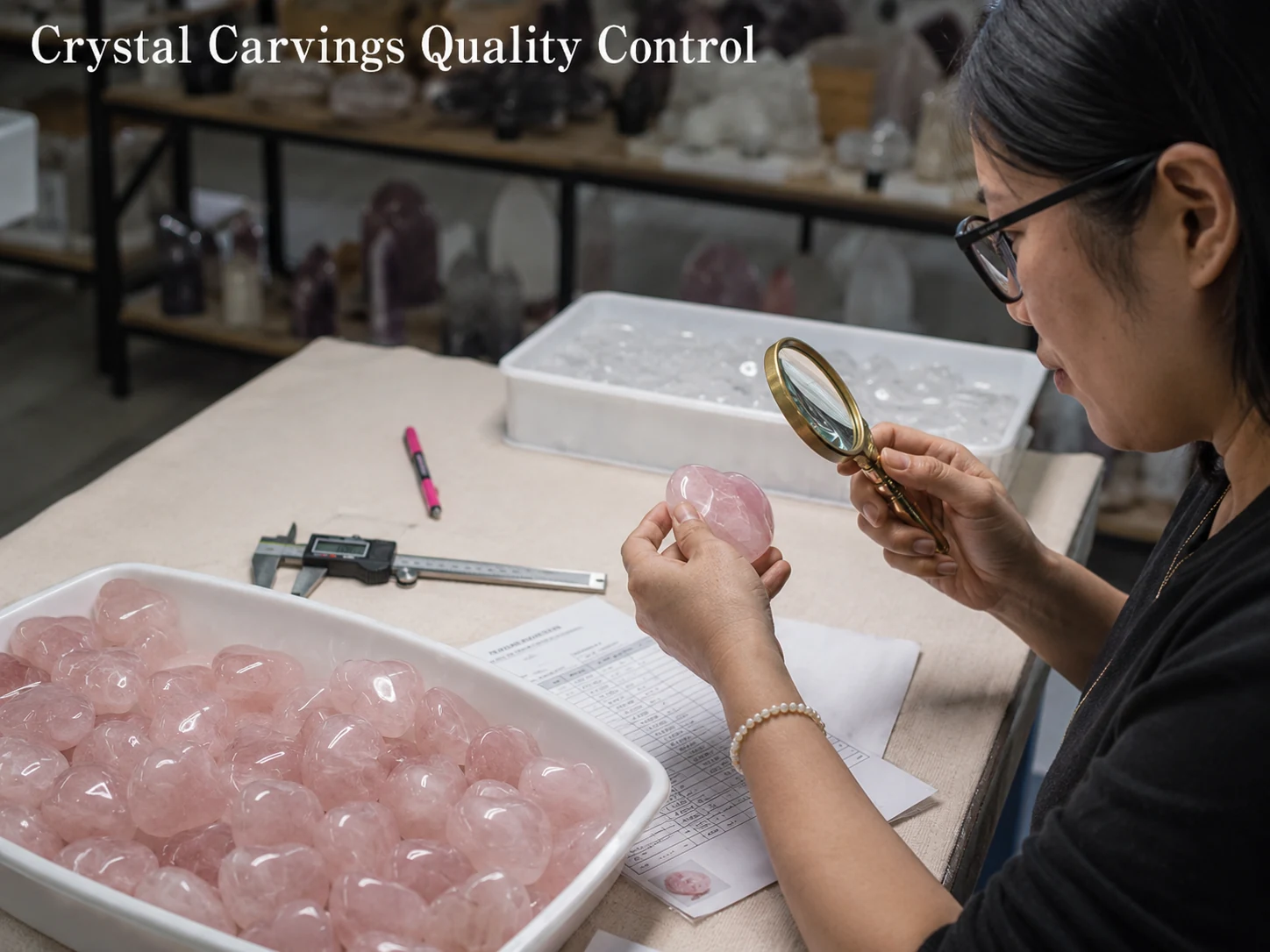
Dive Deeper: The True Cost of a "Cheap" Supplier
A low price is only a good deal if the product is sellable. Focusing on a few cents saved per piece can blind you to larger, hidden costs down the line.
1. Defect & Damage Rate: In the natural crystal industry, a certain level of imperfection is normal. Minor cracks, inclusions, or chips are part of working with a natural medium. A standard, acceptable damage or defect rate is typically around 3-5%. This accounts for minor issues during production and transit.
However, if a supplier's defect rate consistently exceeds 10%, it's a major red flag. This indicates sloppy quality control, poor packaging, or a willingness to ship subpar products. A 10% loss on every order will quickly erode your profit margins and damage your ability to maintain stock, ultimately hurting your customer repurchase rate. Before placing a bulk order, ask them directly: "What is your average defect rate, and what is your policy for crediting or replacing defective items?"
| 2. Payment Terms as a Trust Indicator: Payment terms are a powerful litmus test for a supplier's confidence in their own products and their view of you as a partner. | Payment Structure | Level of Trust & Reliability | Why It Matters |
|---|---|---|---|
| 100% Upfront Payment | Low Trust / High Risk | The supplier takes no risk. You have no leverage if the quality is poor or the shipment is delayed. Common for small, first-time orders, but a red flag for large or long-term partnerships. | |
| 30-50% Deposit, Balance Before Shipping | Standard / Medium Trust | This is the most common arrangement. It shows a shared commitment. The supplier has capital to start production, and you retain leverage until you've approved the final product (ideally via photos/video or inspection). | |
| Deposit + Balance After Pre-Shipment Inspection | High Trust / Preferred Partner | A supplier who agrees to a third-party or personal inspection before you pay the final balance is confident in their quality. This is the gold standard for reliable B2B transactions. |
For me, a supplier's willingness to accept phased payments and allow for pre-shipment inspection is the first gate I check. A supplier who demands 100% prepayment for a large, ongoing order is not a partner I can build a long-term business with. A reliable crystal carvings wholesale supplier invests in the relationship by sharing the risk.
Why Is the Supplier's Location in China So Important?
You might think that in a world of global logistics, a supplier's specific city doesn't matter. When it comes to natural crystal carvings, it absolutely does. Certain regions in China are specialized industrial clusters, meaning the entire supply chain—from raw stone procurement to final polishing—is concentrated in one area.
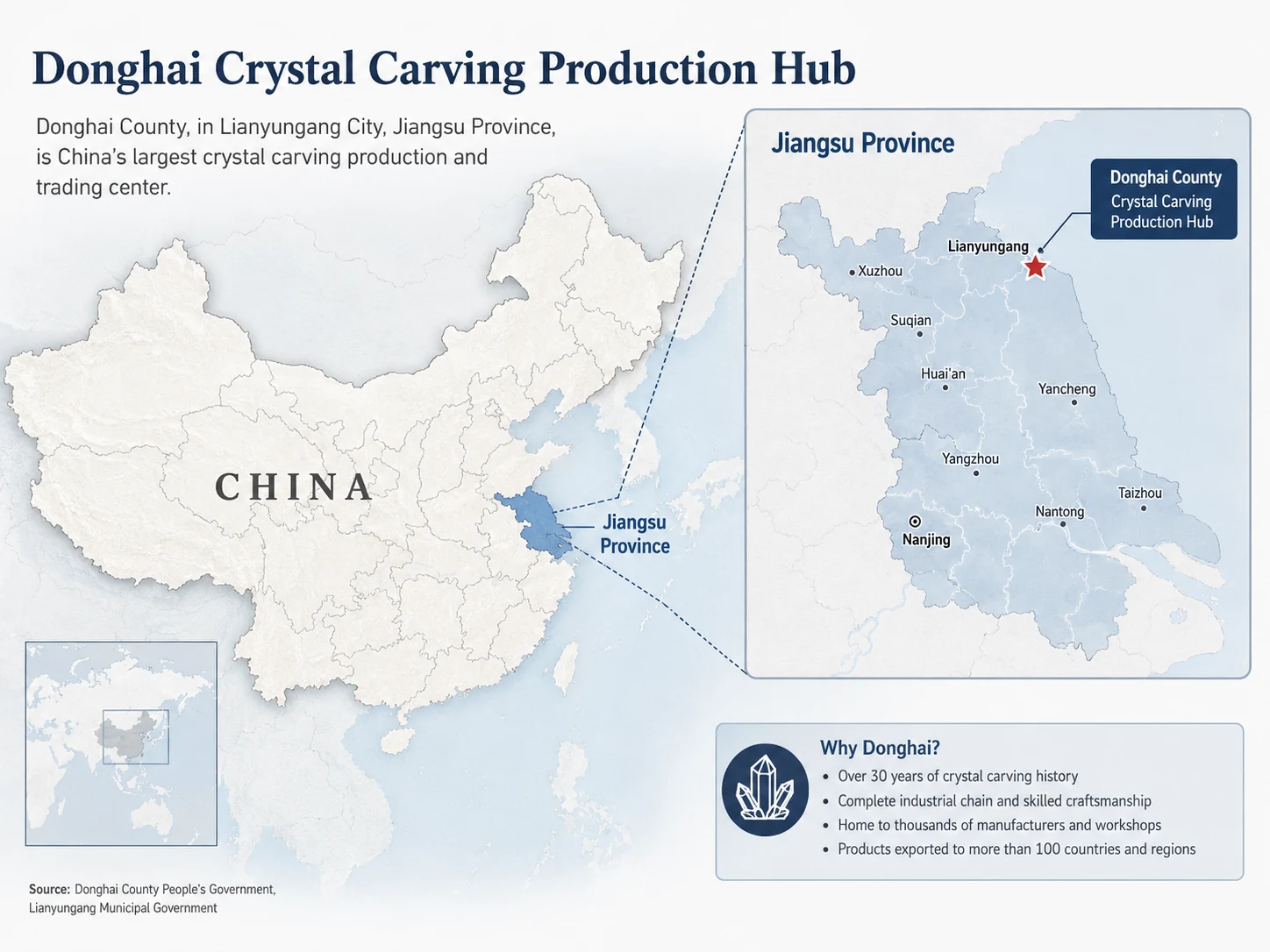
Being told your supplier is in a major trading hub like Yiwu or Guangzhou4 might sound impressive, but for crystal carvings, the true heart of the industry is Donghai County, Jiangsu5. A supplier located outside of this primary production zone is almost certainly a middleman, which can lead to major issues with lead times and quality consistency.
Dive Deeper: The Donghai Difference
In my early sourcing days, I worked with a "comprehensive supplier" based in Yiwu to save time. They offered everything under one roof. The convenience was appealing, but the problems started almost immediately. Lead times were always unpredictable. Worse, customers began complaining that products from the same order felt different—one batch of carvings was smooth and well-polished, while another felt rougher.
I later discovered the truth: the Yiwu company didn't produce anything themselves. They were placing my orders with two different sources—one in Donghai for carvings and another in Wuzhou, Guangxi for synthetics and some gems. They were simply consolidating shipments. The inconsistencies and delays were a direct result of their fragmented, outsourced supply chain.
This costly experience taught me to prioritize suppliers located within the core industrial cluster. Here’s why Donghai is the epicenter for natural crystal carvings in China:
- Raw Material Access: Donghai is one of the largest crystal and gemstone distribution centers in the world. Factories there have first-pick access to a massive variety of raw stones from Brazil, Uruguay, Madagascar, and other global sources.
- Skilled Labor Concentration: Generations of artisans and technicians specializing in crystal cutting, carving, and polishing live and work in Donghai. The concentration of skilled labor is unmatched anywhere else.
- Complete Supply Chain: The entire process happens in one place. A factory in Donghai can buy a raw boulder in the morning, have it slabbed and cut by noon, and sent to their carving workshop in the afternoon. This integration dramatically reduces lead times and improves quality control.
Now, one of the first questions I ask a potential crystal carvings wholesale supplier is, "Which town is your factory located in within Donghai County?" If they can't answer or give a vague response, I know they're likely not a direct manufacturer, and I can politely end the conversation. Don't be fooled by a fancy office in a major trading city; for this specific product, the expertise is in the production hub.
Do Samples Accurately Represent Bulk Order Quality?
This is one of the most counterintuitive truths in manufacturing: the sample you approve and the bulk order you receive are often produced by different people using different standards. This can lead to a frustrating gap between your expectations and the final product.
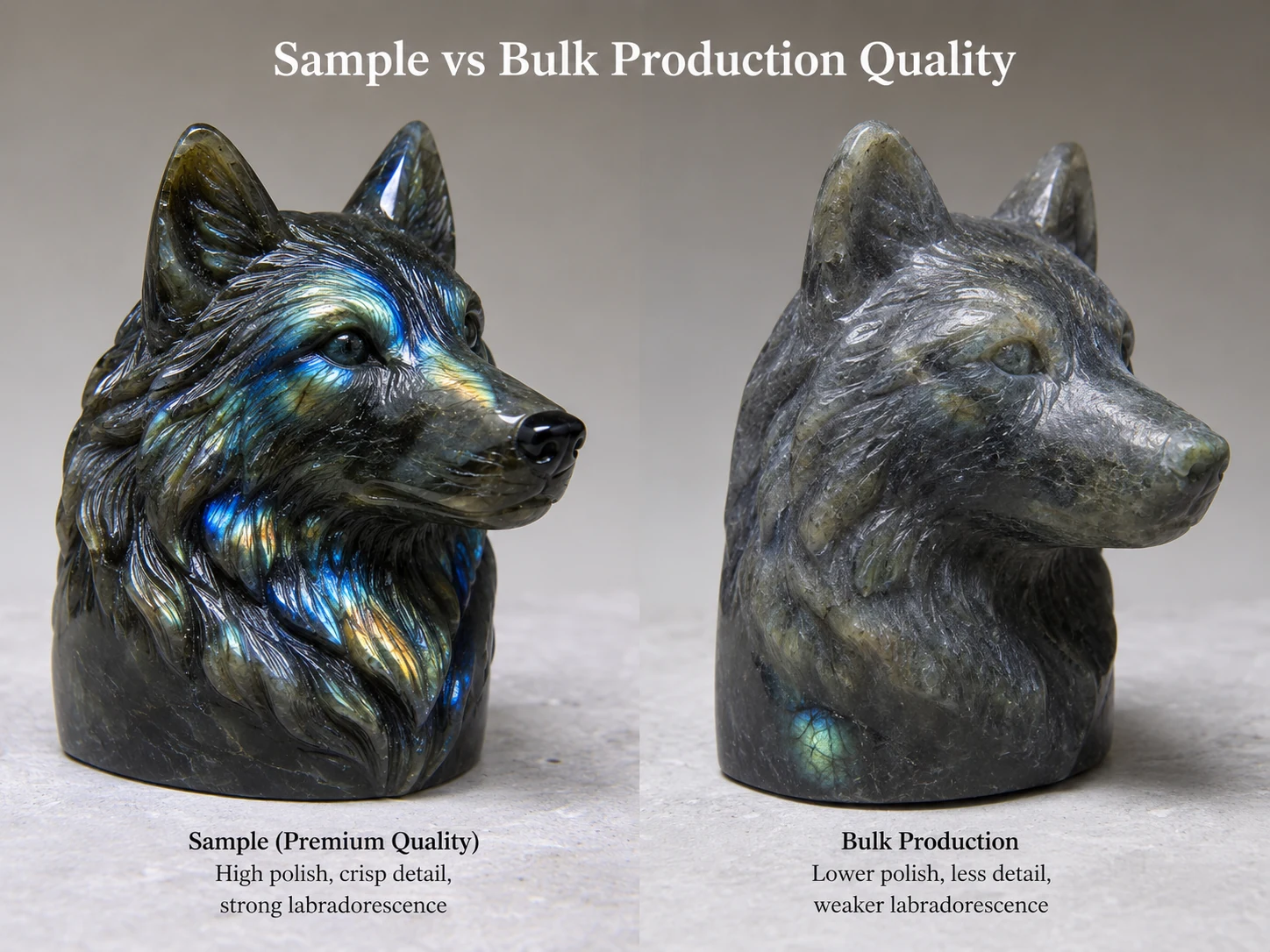
Many factories use their most skilled, experienced master artisans6 to create samples by hand. These are showpieces designed to win your business. The bulk order, however, is often passed to the main production line where junior workers prioritize speed and volume. A slight difference in color, detail, and polish is almost guaranteed.
Dive Deeper: Setting the Right Expectations in Writing
Acknowledging this reality is the first step; contractually addressing it is the solution. I learned this after approving a beautifully detailed sample of a labradorite wolf carving, only to receive a bulk order where the "wolves" looked more like vague dog shapes with much less flash and detail. The supplier’s excuse was that "some variation is normal in mass production."
To prevent this from happening again, I implemented a new step in my sampling process. I now require the supplier to confirm, in writing, whether the sample represents the final bulk production standard.
Here is how you can protect yourself from the "sample vs. bulk" trap:
- Request Production Samples: Instead of asking for a "perfect sample," ask for a "production sample." This term signals that you want a piece that is representative of what their standard production line can achieve, not what their best artisan can do.
- Get It in Writing: When you approve the sample, include a clause in your Purchase Order (PO) or supply agreement that states: "The approved sample (Sample #XYZ) represents the minimum acceptable standard for quality, material, color, finish, and detail for all units in the subsequent bulk order."
- Define Quality Tolerances: For custom designs (OEM/ODM), work with the supplier to create a "Quality Control Checklist" or "Golden Sample" document. This should include photos and specific points of inspection. For example:
- Detail Level: "The carved fur texture must be clearly visible from 12 inches away."
- Polish: "The surface must have a glossy finish with no visible tool marks."
- Material: "Labradorite must exhibit blue/gold flash on at least 50% of the primary surface."
- Reference the Sample Upon Delivery: When the bulk order arrives, inspect it against your approved sample and written standards. If there are major discrepancies, you now have clear, documented grounds to request a remake, discount, or credit.
A professional crystal carvings wholesale supplier will understand the need for these clarifications. They should be confident enough in their production line to stand behind their samples. If a supplier resists putting these standards in writing, they are essentially admitting that their bulk quality won't match the sample, and you should proceed with extreme caution.
How Can You Protect Your Exclusive Designs with a Crystal Carvings Wholesale Supplier?
If you plan on selling unique, custom-designed crystal carvings, you must be aware of a harsh reality: the design copycat culture is rampant. The crystal carving community is small, and a popular new design can be replicated by competitors across the industry within a few months.
Investing in developing an original design only to see a rival factory sell a cheaper version to your competitors is incredibly frustrating. We've paid that "tuition fee" at least twice. Protecting your intellectual property requires proactive, contractual measures from the very beginning.
Dive Deeper: From Handshake to Legal Agreement
Your unique designs are a key competitive advantage. Don't rely on a verbal promise of exclusivity. You need a formal process to safeguard your investment.
Here are the essential steps to protect your original designs when working with a crystal carvings wholesale supplier in China:
-
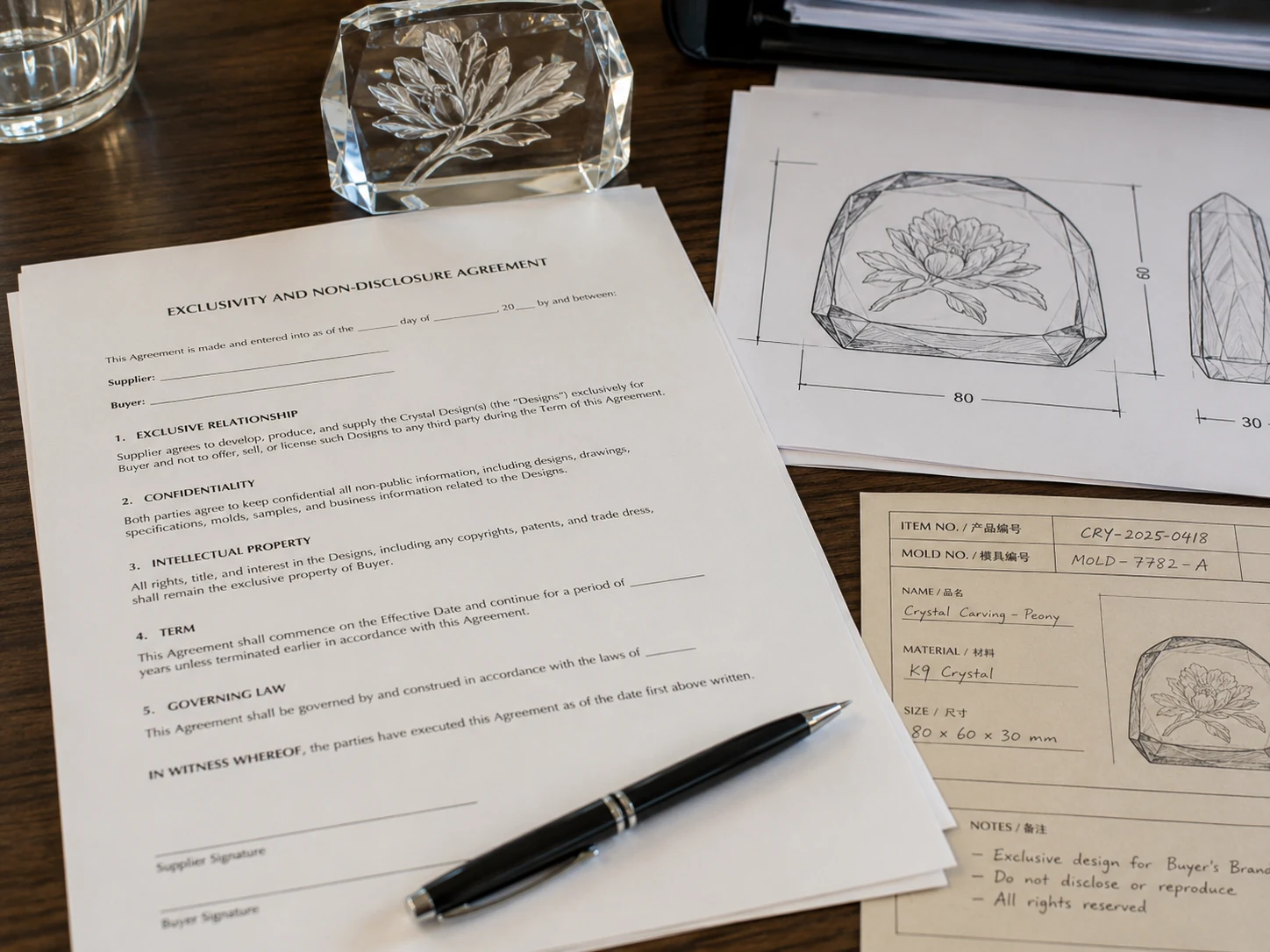
Sign a Non-Disclosure and Exclusivity Agreement: Before you even share your designs, have the supplier sign a simple NDA (Non-Disclosure Agreement7) and an Exclusivity Agreement. This legally binding document should clearly state that:
- The designs you provide are your exclusive property.
- The supplier is prohibited from sharing, selling, or reproducing the designs for any other client.
- The agreement should specify the duration of the exclusivity (e.g., 2 years) and the specific markets it applies to.
-
Demand Traceability for Molds and Master Carvings: For molded or replicable designs, the physical "master" is key. Your agreement should require the supplier to:
- Assign a unique serial number to your mold or master carving.
- Store the master in a secure location and provide photos of it with the serial number visible.
- Agree not to use the master for any production runs other than yours. This creates a physical chain of custody that is much harder to dispute than a simple promise.
-
Conduct Market Monitoring: Regularly search for your designs on major B2B platforms like Alibaba and at industry trade shows. If you find a copy, your exclusivity agreement provides the legal basis to demand that your supplier take action or to pursue remedies yourself. Often, the threat of losing your business is enough to ensure compliance.
-
Build a Relationship of Trust: Ultimately, the best protection is a strong, long-term relationship with a supplier who values your business more than the small profit they could make by selling your design to someone else. A supplier who views you as a partner is less likely to betray your trust.
Developing original products is a significant investment. A reliable crystal carvings wholesale supplier will respect that and work with you to protect your intellectual property. If a supplier is unwilling to sign an exclusivity agreement, they are telling you upfront that they do not intend to honor your request. Take that as a clear signal and find a different partner who will.
What Are the Hidden Costs of Shipping Crystal Carvings?
New importers often underestimate the hidden costs associated with logistics, especially for products like crystal carvings. Crystals are dense, heavy, and fragile. The cost of properly packaging and shipping them can be significantly higher than for other decorative items or jewelry.
A common trap is receiving a low product quote that doesn't include adequate packaging. The supplier then adds surprise charges later for "export-grade reinforcement," or worse, they ship with flimsy packaging, and you end up with a high percentage of broken items.
Dive Deeper: Factoring in the Weight and Fragility
The shipping and packaging process is a final, crucial test of a supplier's professionalism. An experienced exporter knows that getting the product to you safely is as important as making it correctly.
Based on my experience, proper protective packaging for sea freight can add up to 30% more cost8 compared to standard packaging for general goods. This is not an area to cut corners. Here's what to look for and discuss with your supplier:
- Transparent Quoting: A professional supplier will be upfront about packaging needs and costs. Their quotation should either include a line item for export-grade packaging or they should proactively discuss reinforcement options with you. A supplier who doesn't mention packaging until the last minute is either inexperienced or not being transparent.
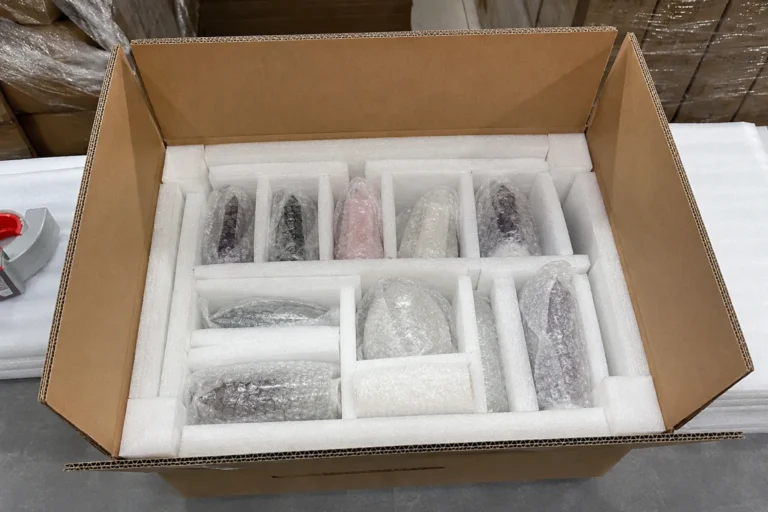
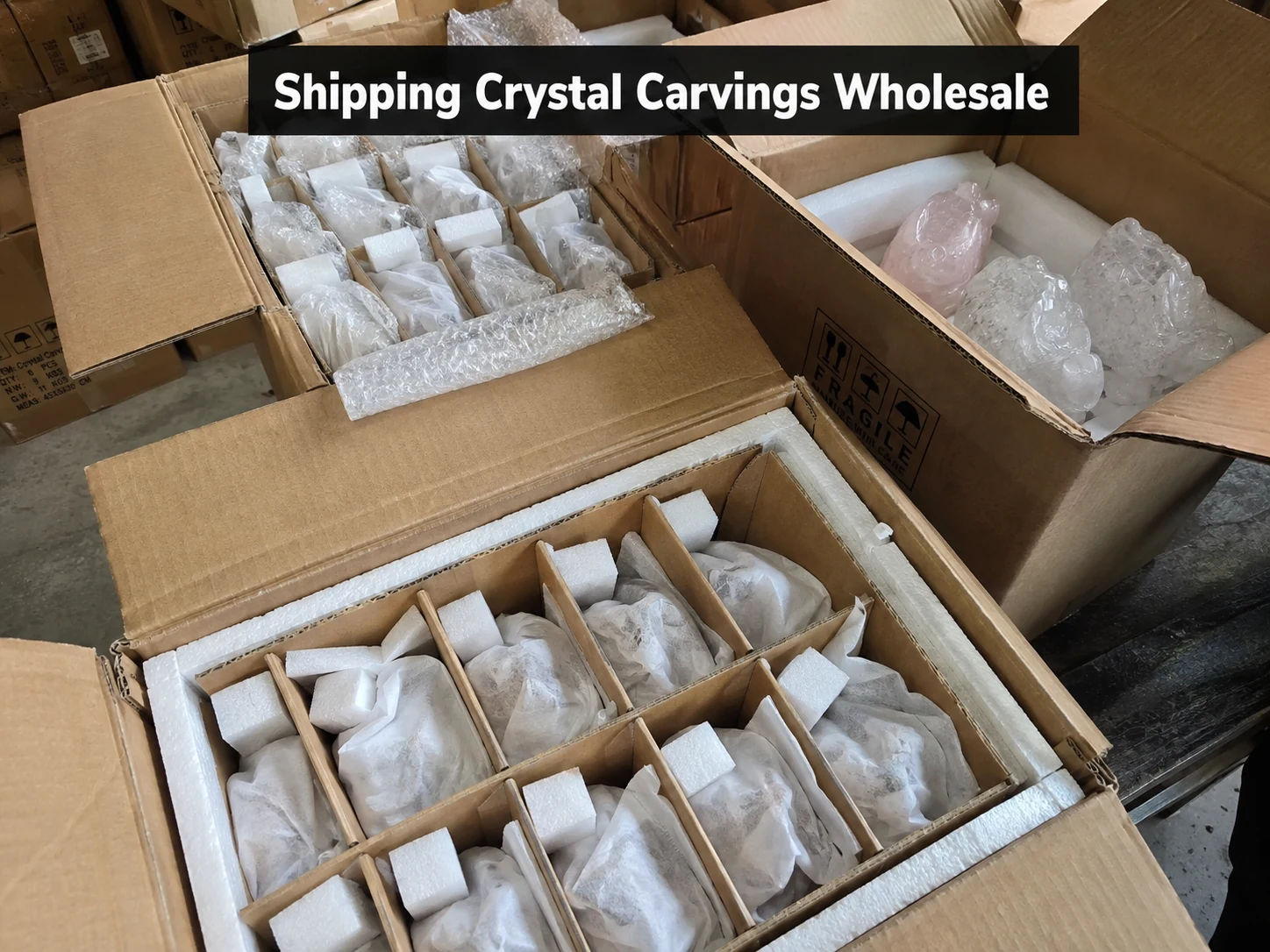
- Multi-Layer Protection: The gold standard for packing fragile crystal carvings includes:
- Individual Wrapping: Each piece should be wrapped in soft paper or a foam pouch.
- Inner Boxes: Items should be placed in small, sturdy inner cartons, often with dividers or foam inserts to prevent them from hitting each other.
- Master Carton: The inner boxes are placed inside a thick, double-walled outer carton (the master carton).
- Filler Material: All empty space within the master carton should be filled with foam, bubble wrap, or styrofoam peanuts to prevent shifting during transit.
- Reinforced Corners: For very heavy shipments, plastic or cardboard edge protectors on the master carton are essential.
A Pro Tip: Ask your supplier to send you photos or a short video of how they will pack your order before you finalize payment. This allows you to approve their method and request changes if it looks insufficient.
An experienced crystal carvings wholesale supplier who has shipped to North America and Europe will already have these protocols in place. They will raise the topic of packaging themselves and offer solutions. This proactive approach is a strong signal that they are a seasoned professional who understands the realities of international logistics for fragile goods.
Frequently Asked Questions
What's a reasonable MOQ for a new crystal wholesale buyer?
For a new buyer, a reasonable Minimum Order Quantity (MOQ) often ranges from $300 to $500 for a mixed-style order. Many reliable suppliers are willing to offer lower MOQs for initial trial orders to help you test the market. It's more important to find a supplier with flexible policies than one with the absolute lowest number.
How can I communicate effectively with a Chinese crystal supplier?
Use clear, simple English and avoid slang or complex sentences. Use bullet points and numbered lists to structure your questions. Apps like WhatsApp and WeChat are excellent for quick, informal communication and photo sharing, while email should be used for formal documents like Purchase Orders and contracts.
What are the most common quality issues with wholesale crystal carvings?
The most common issues are inconsistencies in color and size within the same batch, poor polishing that leaves tool marks or a dull finish, and surface-level chips or cracks that occur during production or shipping. Natural inclusions are normal, but excessive fractures that compromise the piece's integrity are a defect.
Is it better to work with a factory or a trading company?
For consistency, quality control, and better pricing on large or repeat orders, it is almost always better to work directly with a factory. A trading company can be useful if you need to source a very wide variety of unrelated products in one shipment, but for specializing in crystal carvings, a direct manufacturer is the superior choice.
Conclusion
Choosing the right crystal carvings wholesale supplier in China is a foundational step for building a successful and sustainable business. It requires moving beyond surface-level metrics like price and looking deeper into a supplier’s production capabilities, quality control processes, and business ethics. By verifying their factory is in a production hub like Donghai, demanding material authenticity reports, scrutinizing their defect rates and payment terms, and contractually protecting your designs, you can mitigate risks and forge a true partnership. A reliable supplier isn't just a vendor; they are an extension of your team, committed to delivering the consistent quality your customers deserve.
If you are looking for a transparent and reliable partner to help you source high-quality crystal carvings, our team is here to help. We provide clear quotations, support for custom orders, and the consistent quality you need to grow your business. Contact us at sales@crystalcarvingswholesale.com or on WhatsApp at +86 150 7540 9178 to discuss your sourcing needs.
<!--[googlesitekit-end-of-content]-->
"Turquoise Carvings: Natural vs Stabilized Material and Buying ...", https://crystalcarvingswholesale.com/turquoise-carvings-natural-vs-stabilized-material-and-buying-guide/. In-house production allows manufacturers to maintain consistent quality standards by controlling raw material selection and production processes. This is particularly important for items like rose quartz hearts. Evidence role: general_support; source type: research. Supports: The role of in-house production in maintaining quality consistency.. Scope note: The source may not address specific challenges in scaling production while maintaining consistency. ↩
"Amethyst", https://en.wikipedia.org/wiki/Amethyst. Heat treatment of amethyst is a common method used to produce citrine, altering its color through controlled thermal processes. This practice is widely documented in gemology. Evidence role: mechanism; source type: education. Supports: The process of creating citrine through heat treatment of amethyst.. Scope note: The source may not address the prevalence of this method compared to natural citrine occurrences. ↩
"Is this a legitimate lab website? It's a Mandarin page.", https://www.pricescope.com/community/threads/is-this-a-legitimate-lab-website-it%E2%80%99s-a-mandarin-page.282502/. The National Gemstone Testing Center (NGTC) is recognized as a leading institution for gemstone authentication in China, providing reliable testing services. Its reputation is supported by industry professionals. Evidence role: expert_consensus; source type: institution. Supports: NGTC's role as a reputable gemological laboratory in China.. Scope note: The source may not address specific testing methods or limitations of NGTC. ↩
"Exploring the Chinese Gem and Jewelry Industry | Gems & Gemology", https://www.gia.edu/gems-gemology/spring-2014-lucas-chinese-gem-industry. Yiwu and Guangzhou are recognized as major trading hubs in China, focusing on diverse goods rather than specialized crystal carving industries, which are concentrated in Donghai County. Evidence role: historical_context; source type: government. Supports: The industrial specialization of Yiwu and Guangzhou compared to Donghai County.. Scope note: The source may not provide detailed comparisons of production quality or lead times. ↩
"Donghai County", https://en.wikipedia.org/wiki/Donghai_County. Donghai County is widely recognized as a leading center for crystal carving in China, with a concentration of skilled artisans and access to raw materials. However, specific production statistics may vary by source. Evidence role: general_support; source type: encyclopedia. Supports: Donghai County's role as a major hub for crystal carvings in China.. Scope note: The source may not provide detailed production data or comparisons with other regions. ↩
"The role of the modern artisan as an innovation master", https://www.zamperla.com/news/the-role-of-the-modern-artisan. Manufacturing practices often involve master artisans creating high-quality samples to showcase craftsmanship, which may not reflect bulk production standards. Evidence role: mechanism; source type: research. Supports: The use of master artisans for sample production.. Scope note: The source may not address specific industries or variations in sample production methods. ↩
"How Companies Can Protect Themselves Against Intellectual ...", https://www.gsb.stanford.edu/insights/how-companies-can-protect-themselves-against-intellectual-property-risk-their-supply-chains. NDAs and exclusivity agreements are standard legal tools used to protect intellectual property in manufacturing, ensuring designs are not shared or reproduced without consent. Evidence role: case_reference; source type: education. Supports: The role of NDAs and exclusivity agreements in protecting designs.. Scope note: The source may not address enforcement challenges or international variations in legal frameworks. ↩
"Popular Crystal Carvings for Intention Setting and Decor - Crystal ...", https://crystalcarvingswholesale.com/popular-crystal-carvings-for-intention-setting-and-decor/. Studies on shipping logistics indicate that protective packaging for fragile goods can increase costs by up to 30%, depending on the material and shipping method. Evidence role: statistic; source type: research. Supports: The additional cost of protective packaging for sea freight.. Scope note: The source may not address specific costs for crystal carvings or regional variations. ↩
Keep Reading